Summertime is the season of fresh flavors, Mediterranean dishes, Greek salad and outdoor gatherings. However, while warm weather is perfect for enjoying seasonal meals, it can also affect the way Extra Virgin Olive Oil should be stored.
Extra Virgin olive oil is a natural product, rich in delicate aromas, flavors, and valuable compounds. Like any high-quality agricultural product, it requires the proper care in order to preserve its freshness and character.
1. Keep Extra Virgin Olive Oil Away from the Heat
The Heat is one of the main factors that can accelerate the natural aging process of Extra Virgin olive oil. Avoid storing your bottle near the stove, oven, dishwasher, or on a countertop exposed to direct sunlight, as prolonged exposure to high temperatures can speed up oxidation.
Tip: Store your olive oil in a cool, shaded cupboard away from heat-producing appliances to help maintain its freshness and quality.
2. Protect Extra Virgin Olive Oil from light
The Light—particularly direct sunlight—can gradually reduce freshness and delicate aromas of Extra Virgin olive oil. Choosing the right packaging plays an important role in protecting these valuable qualities.
Tip: Dark glass bottles or stainless-steel containers help decrease light exposure and preserve the oil’s freshness for longer.
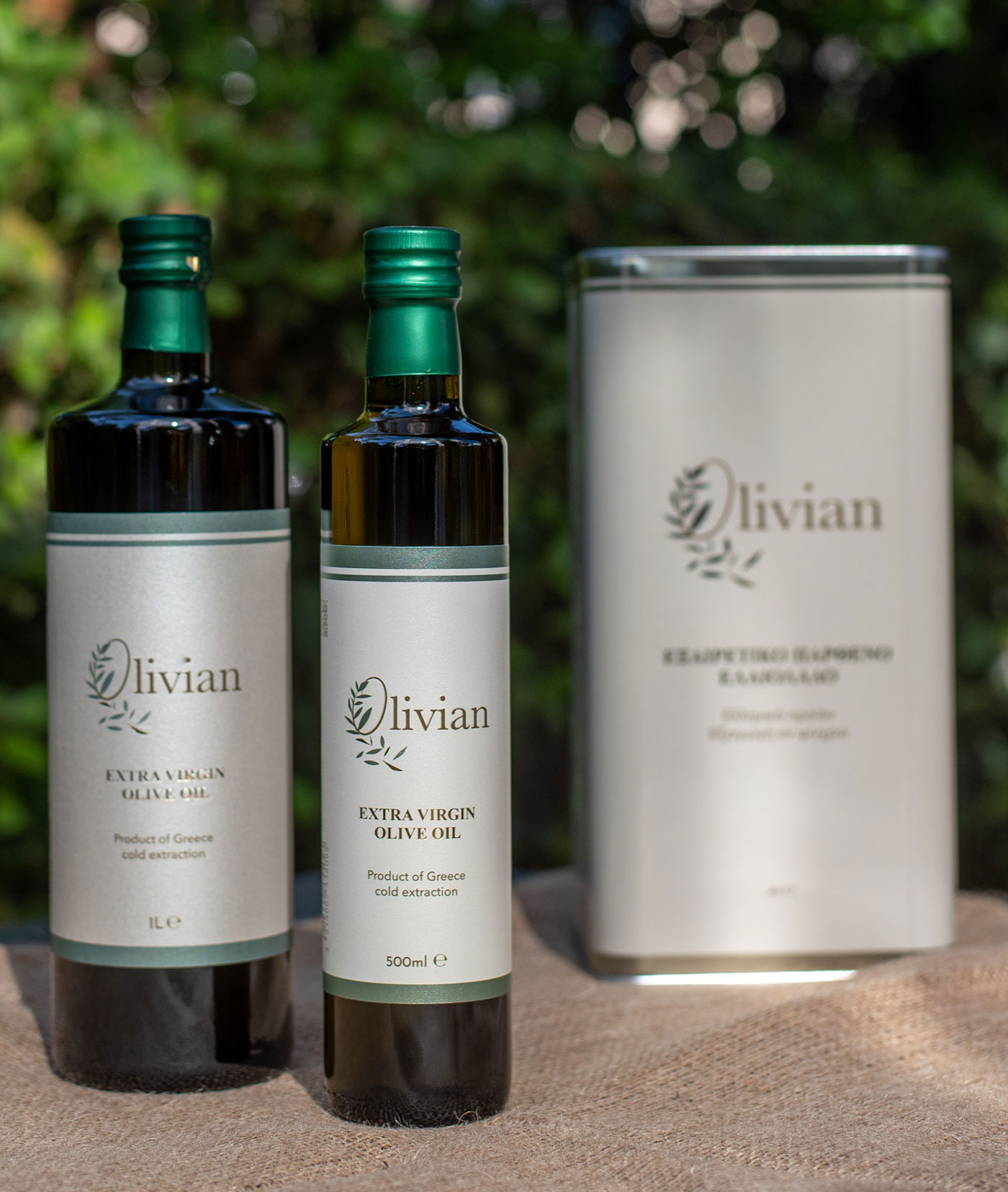
2. Keep Your Extra Virgin Olive Oil Bottle Tightly Closed
Each time a bottle is opened, oxygen comes into contact with the oil. Over time, repeated exposure to oxygen can gradually affect its aroma, flavor, and freshness.
Tip: Always close the bottle securely after each use to minimize oxidation and help preserve the olive oil’s natural characteristics.
4. Store Extra Virgin Olive Oil at the Right Temperature
Extra virgin olive oil is best preserved at a stable, moderate temperature, ideally around 14–21°C / 57–70°F. While summer conditions may make this difficult, avoiding excessive heat is what matters most.
Tip: Store your olive oil in the coolest, darkest area of your kitchen or pantry, away from direct sunlight.
5. Choose the Right Amount and Enjoy Olive Oil While Fresh
Like many natural products, Extra Virgin olive oil is best appreciated while it’s fresh, when its aromas, flavors, and character are at their peak.
Tip: Instead of storing large quantities for long periods, choose amounts that match your regular consumption. This allows you to enjoy your olive oil with the freshness and quality intended by the producer.
Should You Refrigerate Extra Virgin Olive Oil?
Some consumers consider storing olive oil in the refrigerator to extend its freshness. However, for everyday use, refrigeration is generally unnecessary. Cold temperatures slow oxidation, which helps preserve flavor and antioxidants but however, for someone who uses olive oil regularly, the benefits of refrigerating are usually small.
A producer’s perspective: Producing exceptional Extra Virgin olive oil requires dedication throughout the year—from caring for the olive trees to harvesting the fruit at the right moment and extracting the oil with precision. Proper storage is the final step in that journey. By protecting your olive oil from heat, light, and air, you help preserve the freshness, aroma, and character that originate in the olive grove.

Wishes for an Extra Virgin Olive Oil summer!